
Designing for dignity: Haven featured in Dwell magazine
Haven's campus is getting national attention! Our Pond Row campus is featured in Dwell, a national magazine covering architecture, modern design, and living spaces, in a story exploring trauma-informed design.
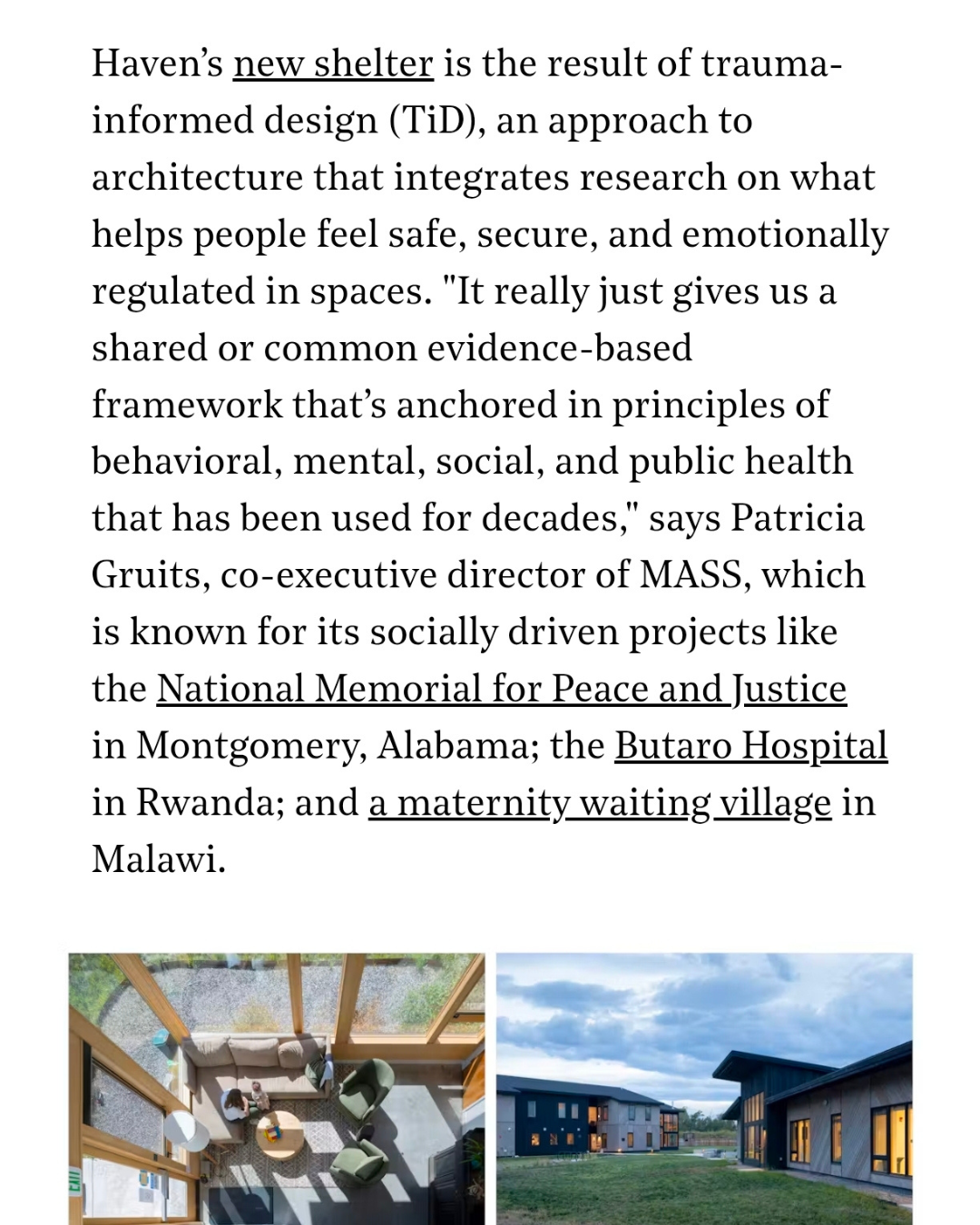
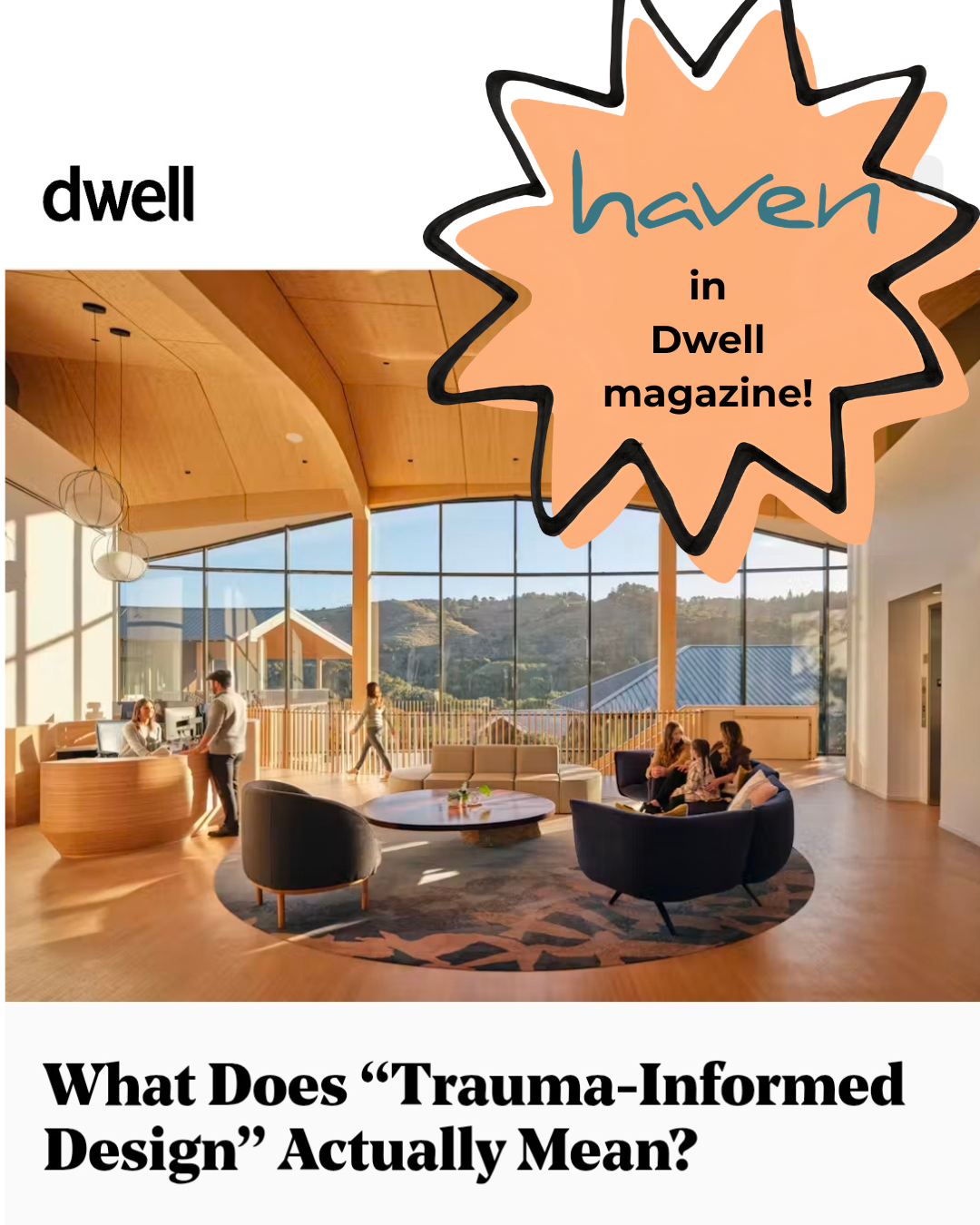
The article, “What Does Trauma-Informed Design Actually Mean?”, looks at how architects and organizations are designing spaces with a better understanding of trauma and its effects on people. Haven is one of the featured examples, showing how these principles can be incorporated into a domestic violence shelter.
What is trauma-informed design?
The spaces around us can affect how safe, comfortable, and in control we feel, especially for people who’ve experienced trauma. Trauma-informed design considers these needs, emphasizing safety, trust, choice, and empowerment.
When planning Haven’s public-facing campus, we wanted buildings and rooms within them that reflected these same principles, and that reflected our commitment to survivor-centered support.
Haven examples of trauma-informed design
Working with Model of Architecture Serving Society (MASS), Haven incorporated trauma-informed principles into decisions large and small throughout the campus.
For example:
Choice in how people move between floors. Survivors can choose between an open staircase and an enclosed stairwell (we also have an elevator for accessibility). Different people might feel more comfortable in different environments.
Natural light and welcoming hallways. Large windows bring daylight and views of the outdoors into hallways, helping create a more open, comfortable environment.
Spaces for connection and privacy. The campus includes communal areas, outdoor spaces, and private residential areas, allowing survivors and their families opportunities to connect with others or spend time on their own.
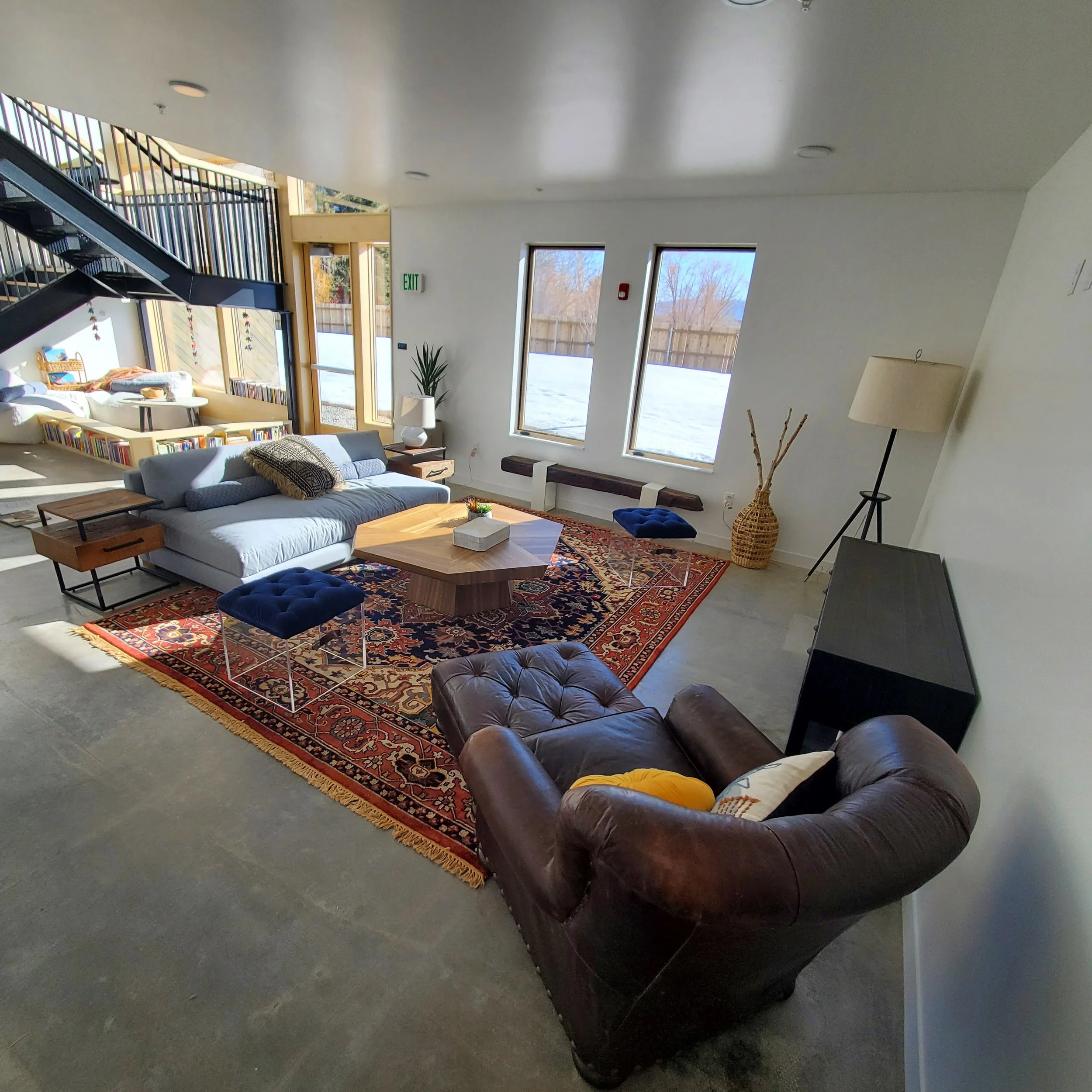
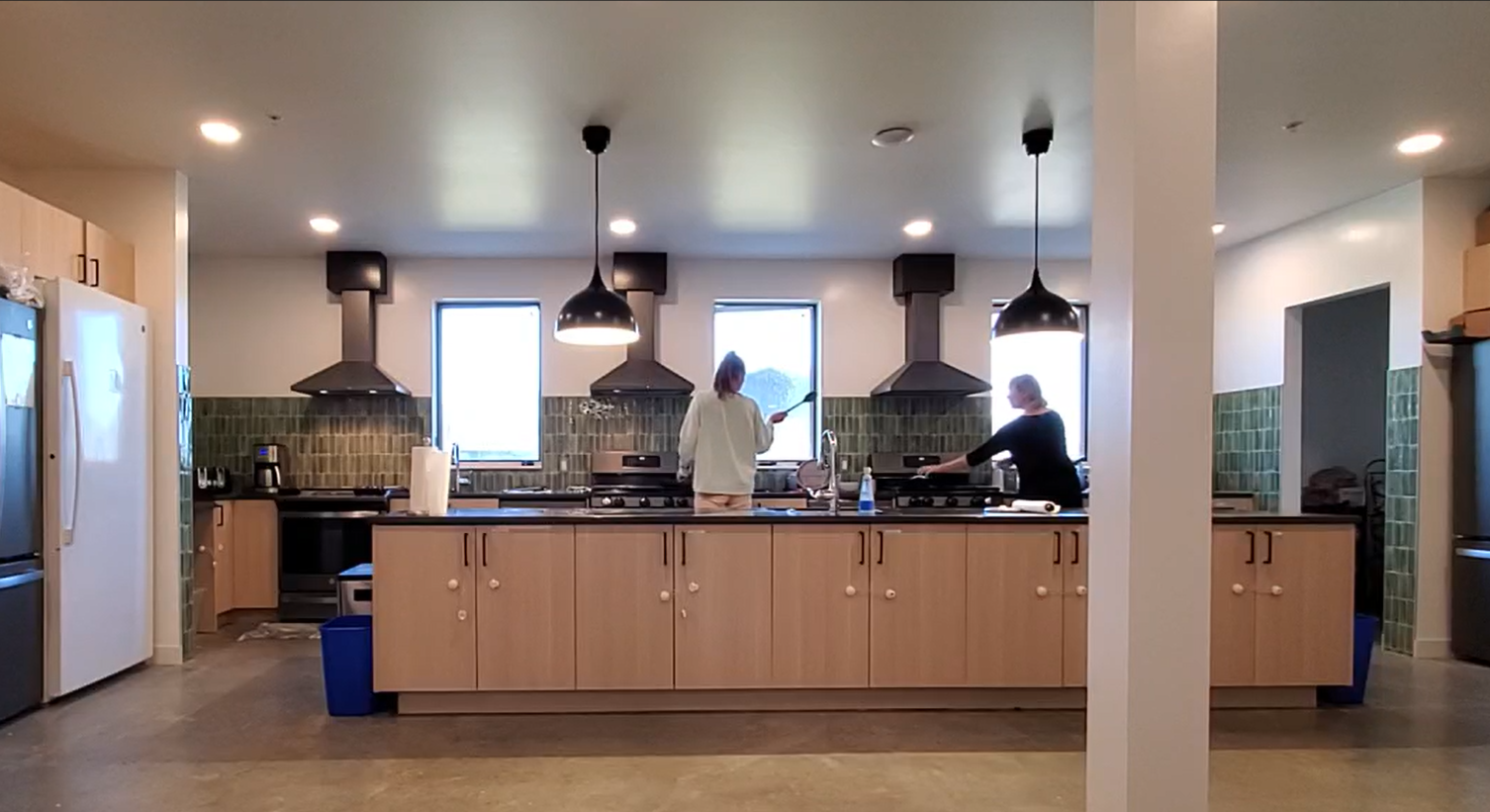
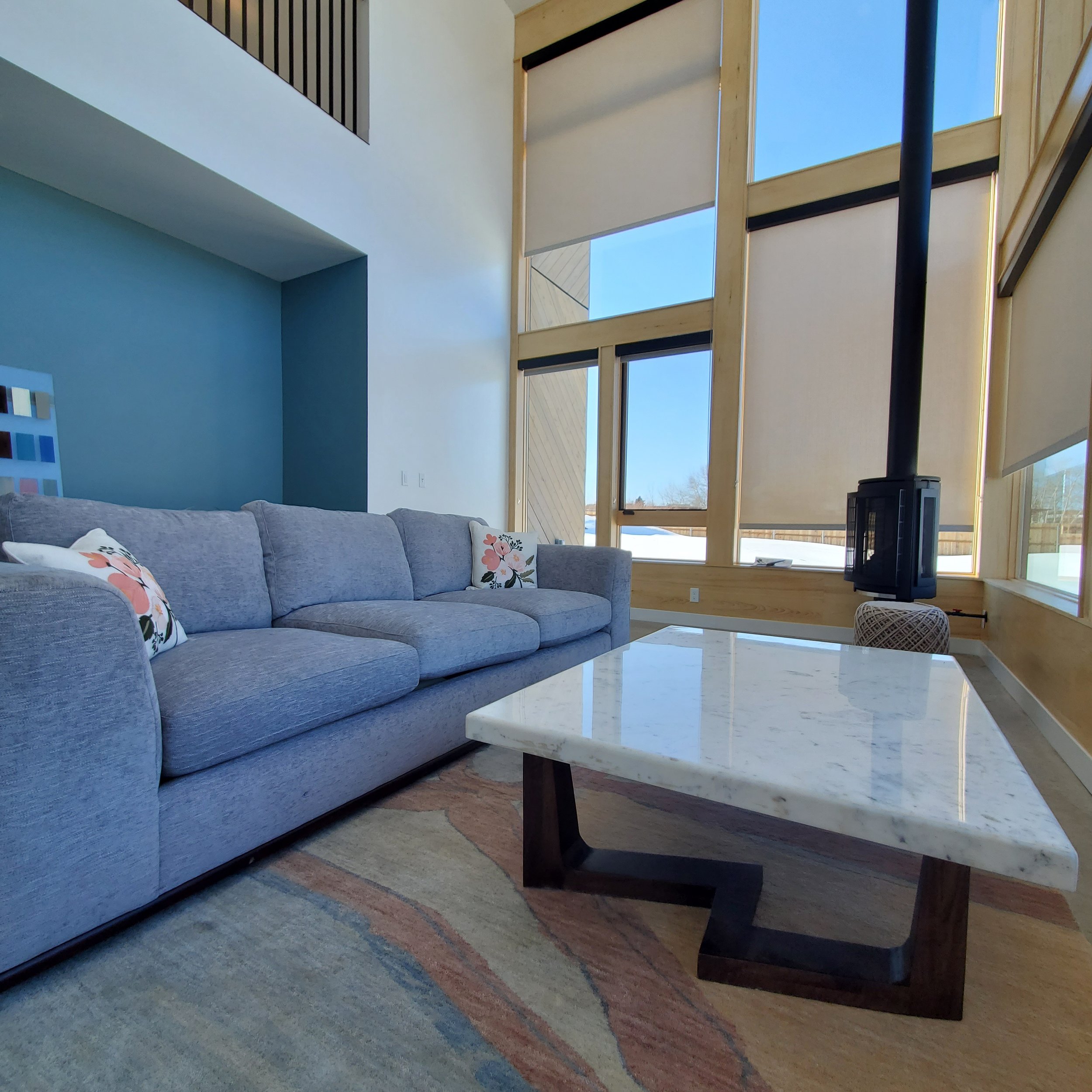
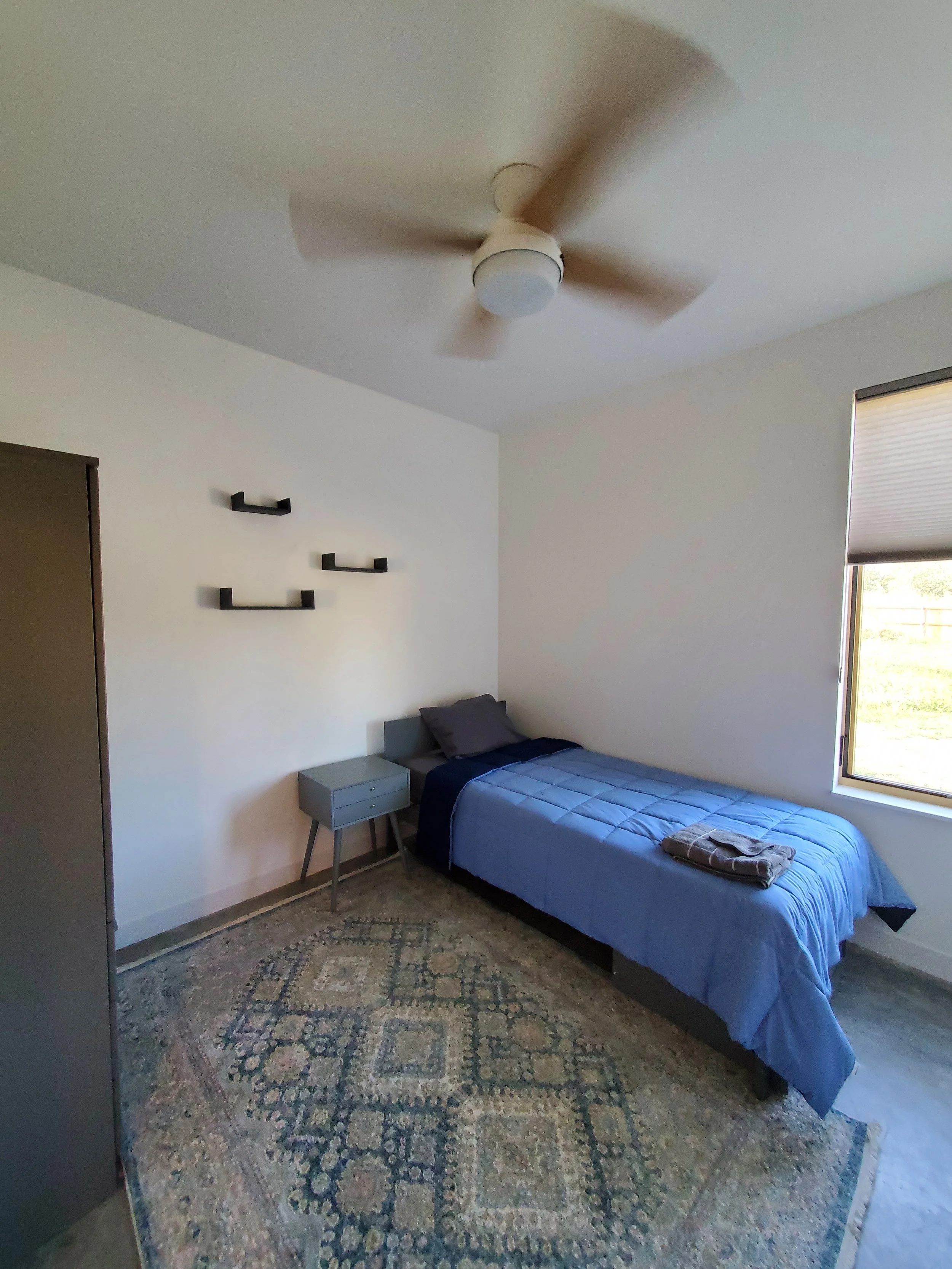

These decisions are based on the idea that people should have choices about the spaces they occupy, particularly when so much else in their lives may feel outside their control.
Designed with (and for) survivors
Survivors helped shape the Pond Row campus from the beginning.
During the planning process, Haven worked with survivors, staff, community members, and project partners to understand what a new shelter should look and feel like.
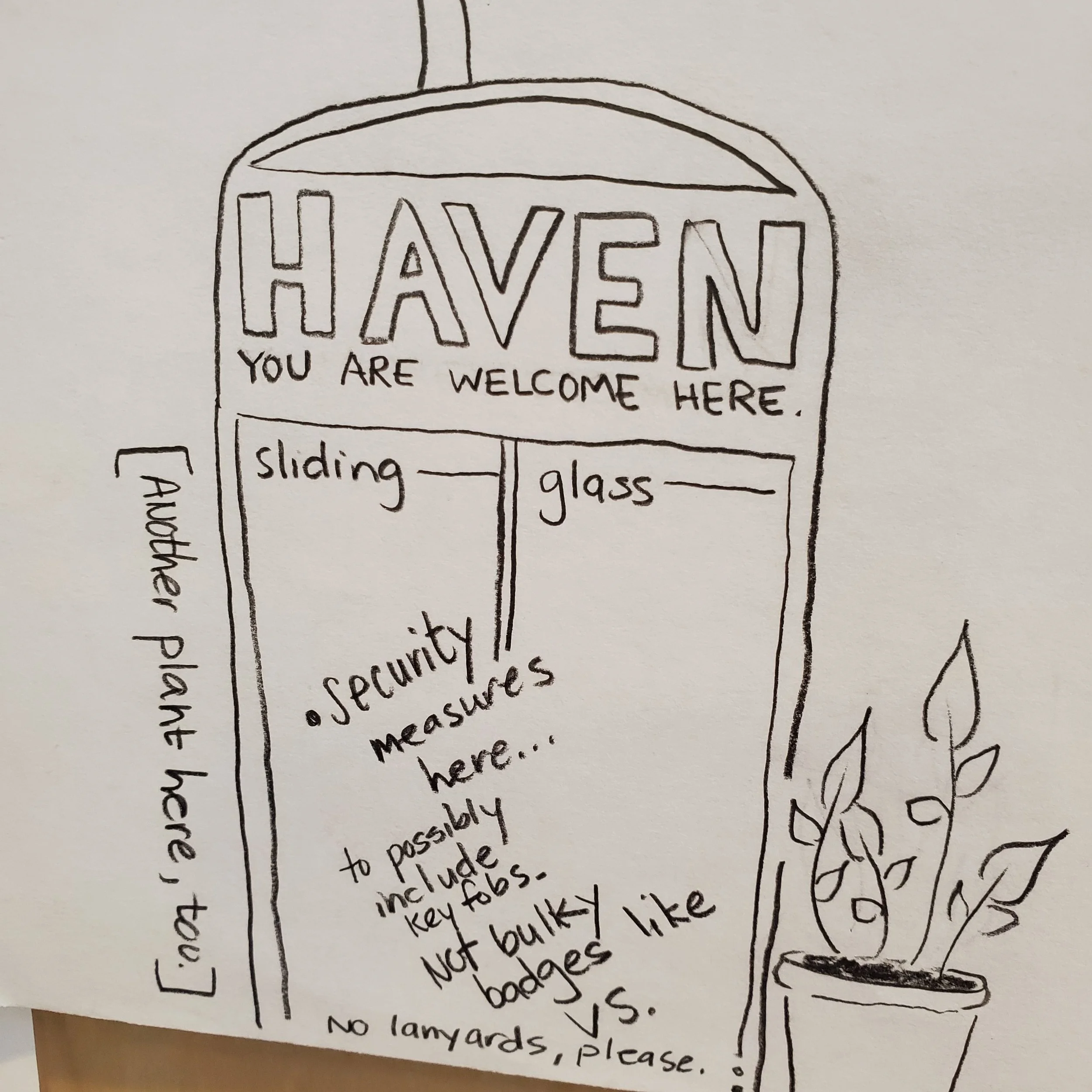
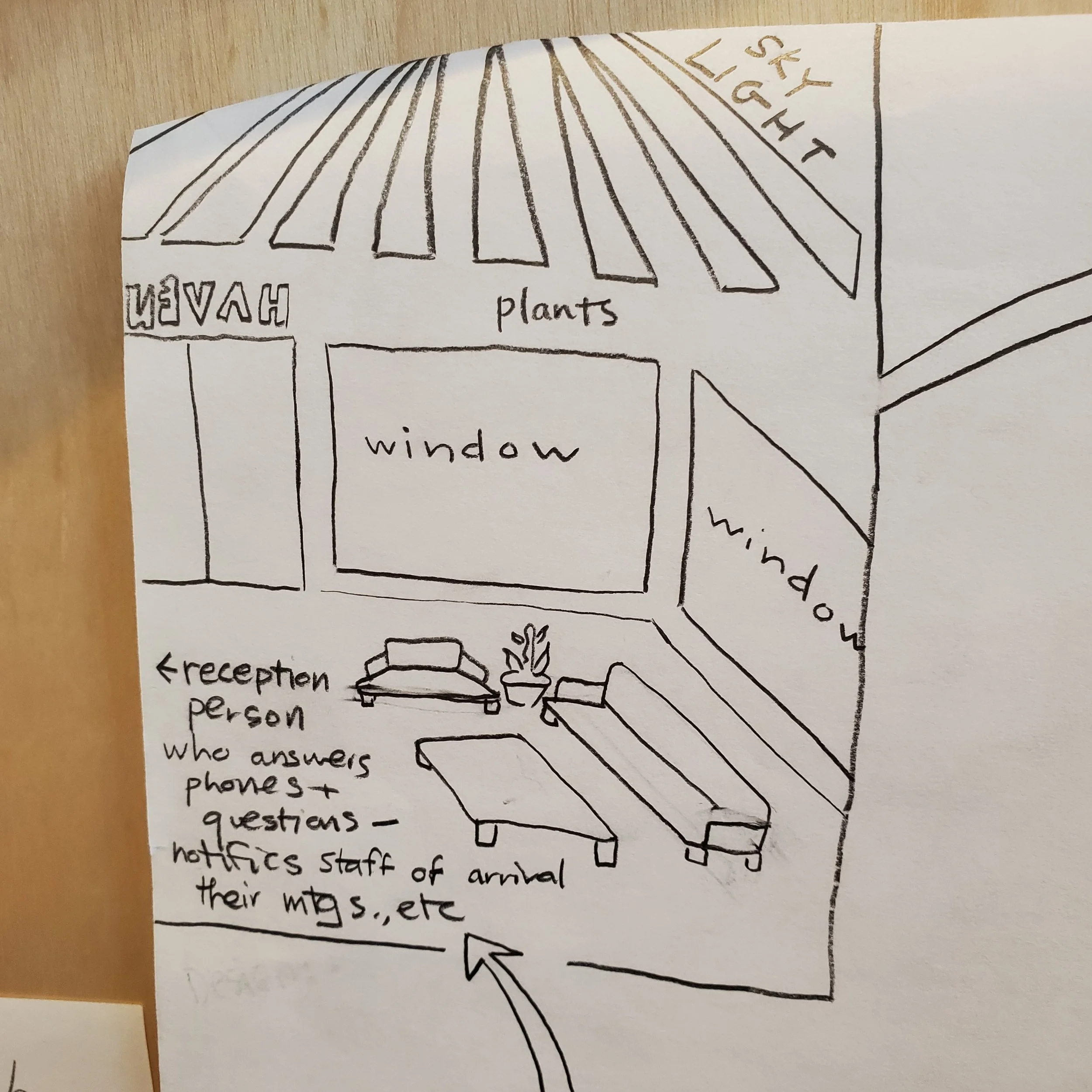
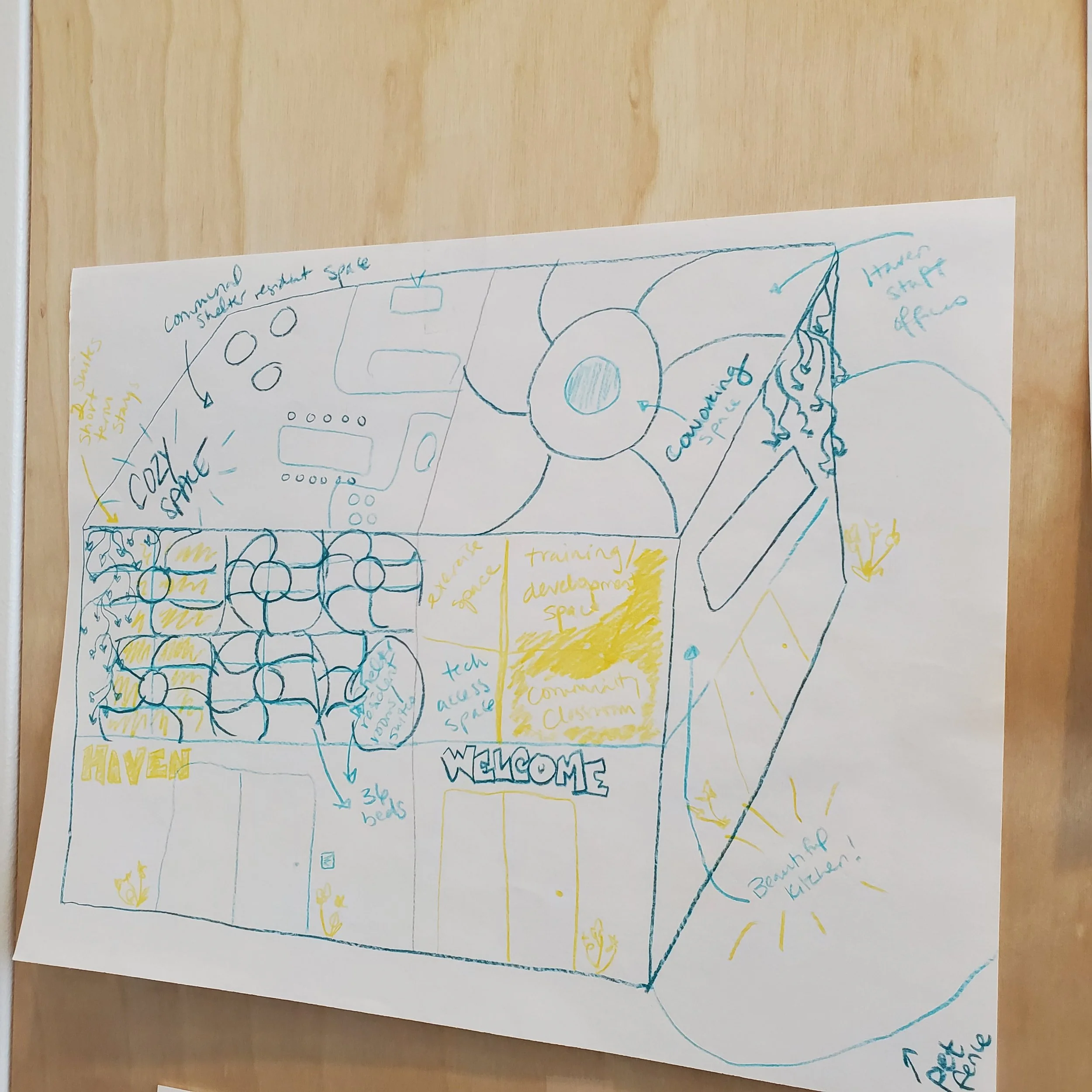
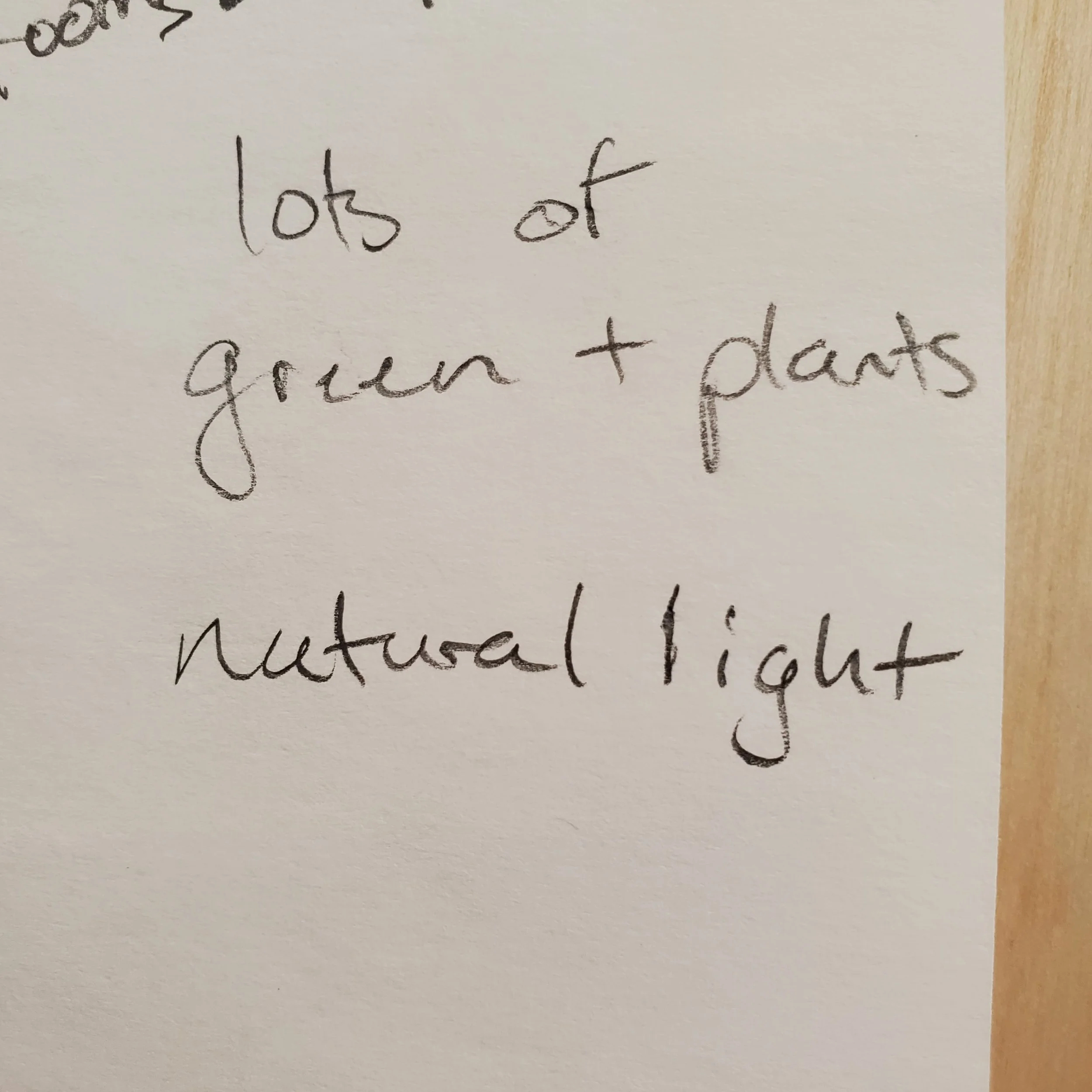
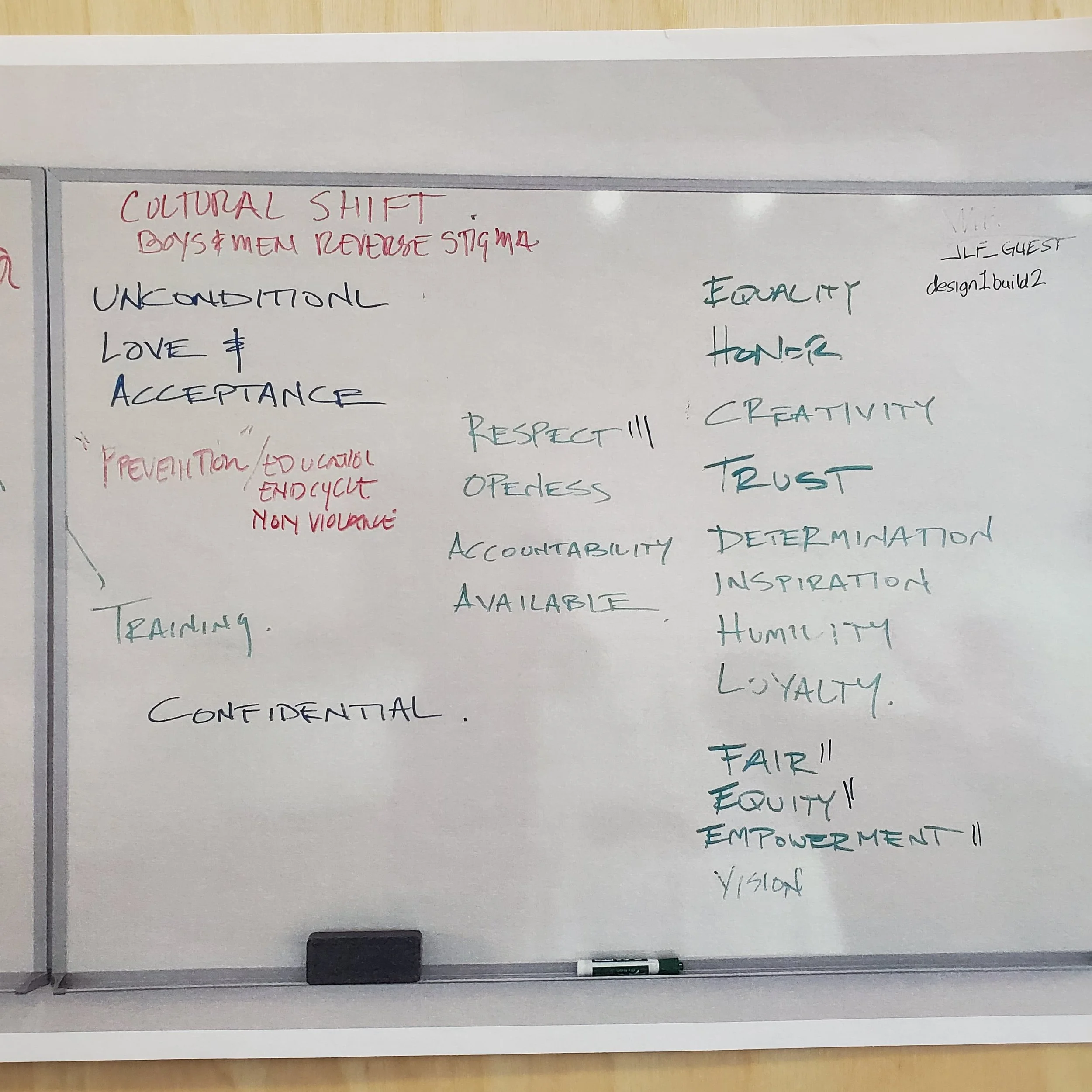
Their input helped inform a design that balances safety and privacy with openness and connection to the broader community.
The project was made possible through the work of MASS, our construction and design partners, donors, and community supporters who shared Haven's vision for a different kind of shelter. We're grateful to everyone who helped bring that vision to life.
The work goes beyond the building
As Haven Executive Director Katie Madison says in the Dwell article, architecture is "part of the support service."
The MASS designs support the same principles Haven's staff put into practice every day: listening to survivors, respecting their choices, and providing resources and support without judgment.
And that work extends well beyond our campus. Through emergency shelter, legal services, prevention education, and other programs, Haven works to support survivors and build a community where everyone can live free from violence.
We're proud to see Pond Row recognized nationally, and we hope the Dwell coverage encourages more conversations about how the spaces we create can better serve the people who use them.