
Understanding Montana’s Offender Intervention Program: What it is, why it matters, and how it supports accountability
Did you know that Montana’s legal system has a way of responding when someone is convicted of partner or family member assault?
Montana’s Offender Intervention Program, also called OIP, is one way the legal system responds when someone is convicted of these crimes. Through OIP, trained counselors work with people who’ve caused harm. The work focuses on abusive patterns, risk, responsibility, and safer ways to behave in relationships.
We bet you have a lot of questions about how this program works. Let’s get to it.
What is the Offender Intervention Program?
The Offender Intervention Program is a structured process for people who’ve been convicted of partner or family member assault.
In Montana, people who are convicted must complete a counseling assessment. That assessment looks at violence, controlling behavior, dangerousness, and chemical dependency. The offender must also complete at least 40 one-hour sessions of offender intervention programming.
The assessment helps counselors look beyond one incident. It can include a person’s behavior, history, beliefs about relationships, substance use, and risk factors.
What’s important to understand
The program is tailored to the person
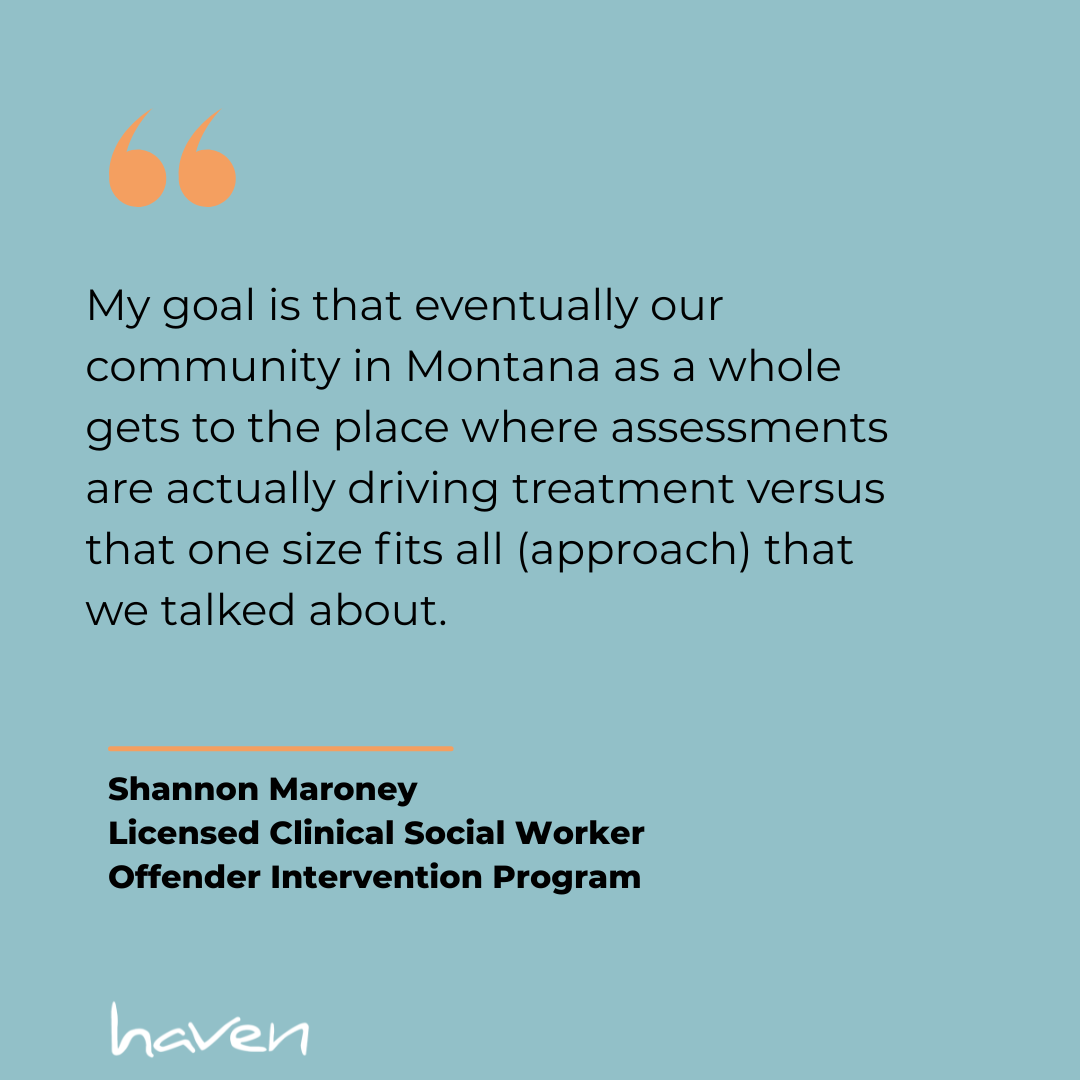
People, relationships, and risks are different. That’s why Montana’s Offender Intervention Program includes an assessment.
Counselors look at the person’s behavior, history, risk factors, substance use, and beliefs about relationships. They also look at what needs to change for safety and accountability.
A one-size-fits-all approach can miss what’s really happening.
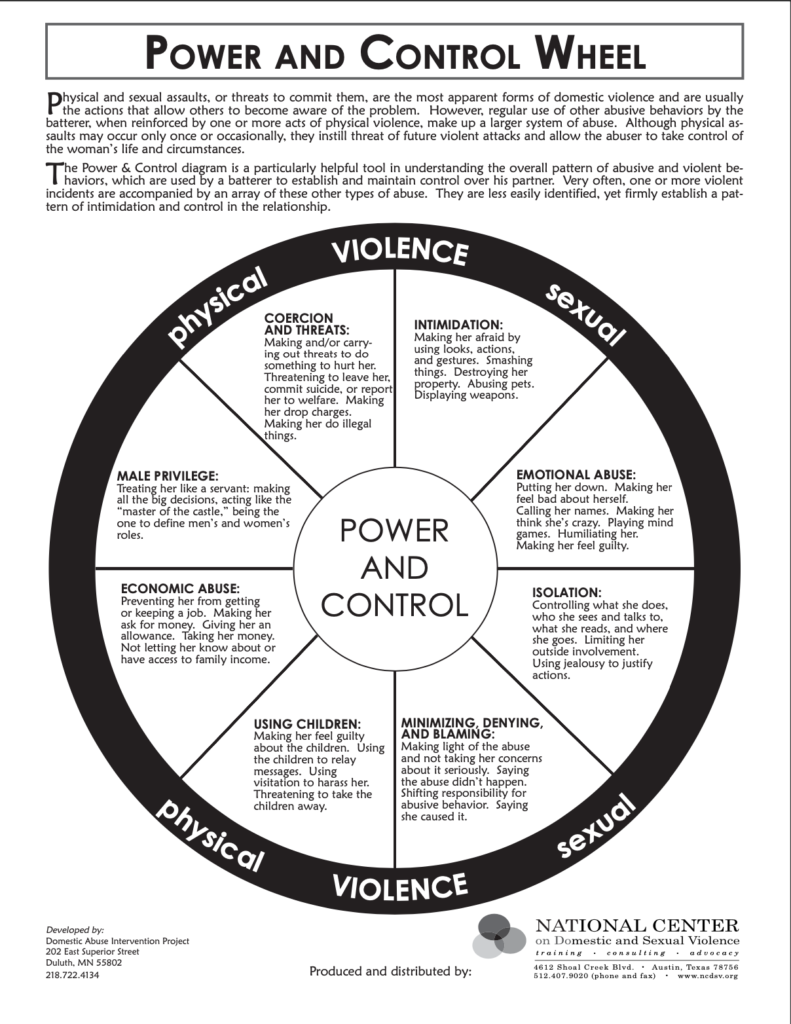
Abuse is about patterns of power and control
Domestic violence can include threats, intimidation, isolation, monitoring, manipulation, financial control, verbal abuse, physical violence, and other behaviors that make another person feel unsafe or trapped.
This work looks at patterns of behavior, not just one incident.
Accountability means removing excuses
Anger doesn’t excuse abuse.
Alcohol or drugs don’t excuse abuse.
A partner’s behavior doesn’t excuse abuse.
The person who caused harm is responsible for learning a different way to act.
That is the center of this work.
Change has to show up in behavior
The goal is safer behavior.
Why this work requires trained counselors
Domestic violence intervention is specialized work.
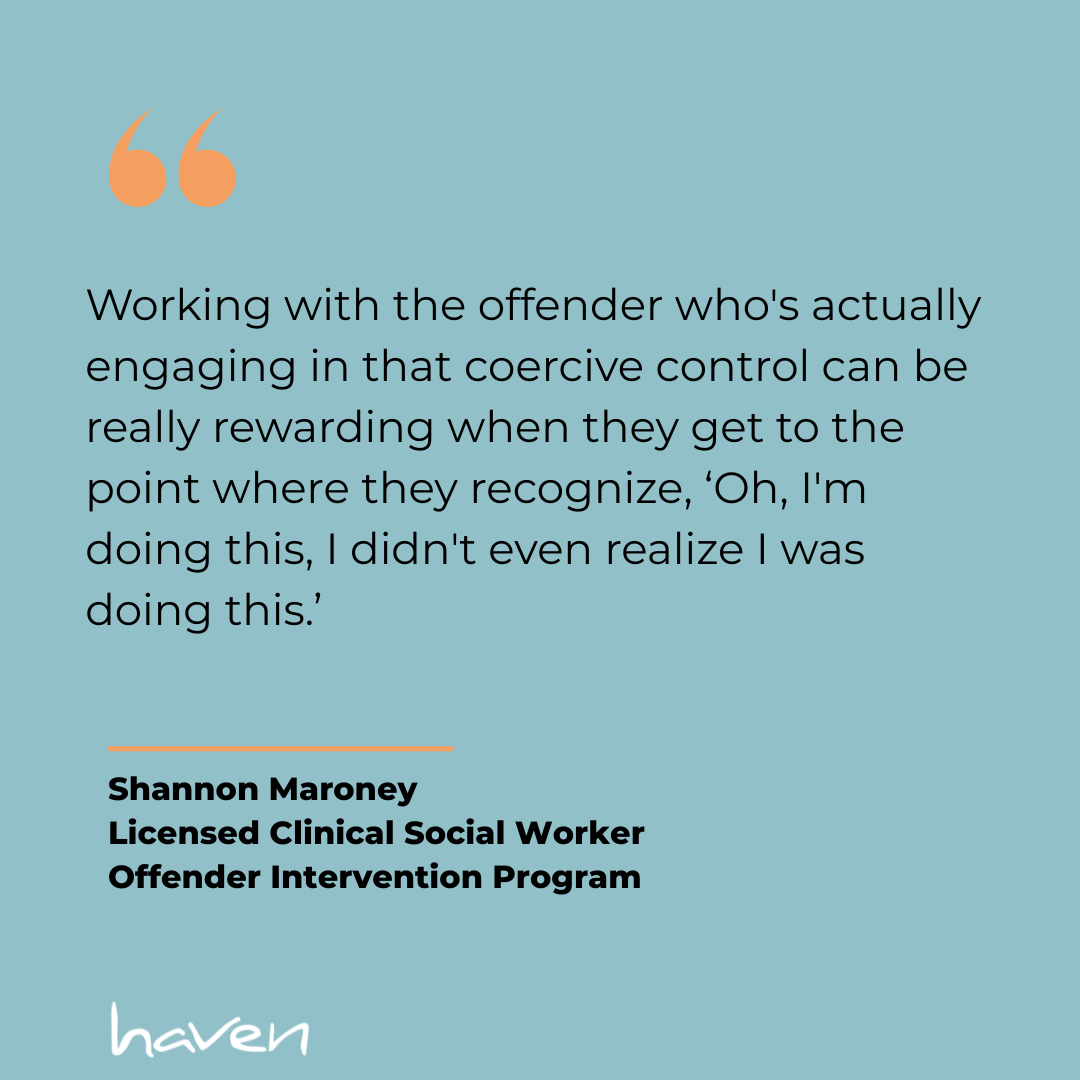
Counselors need training in domestic violence, risk, coercive control, accountability, behavior change, substance use, and safety.
A counselor assesses risk, looks for patterns, uses the information available to them, and keeps the focus on safety and accountability.
This work isn’t about shame. It’s about behavior change.
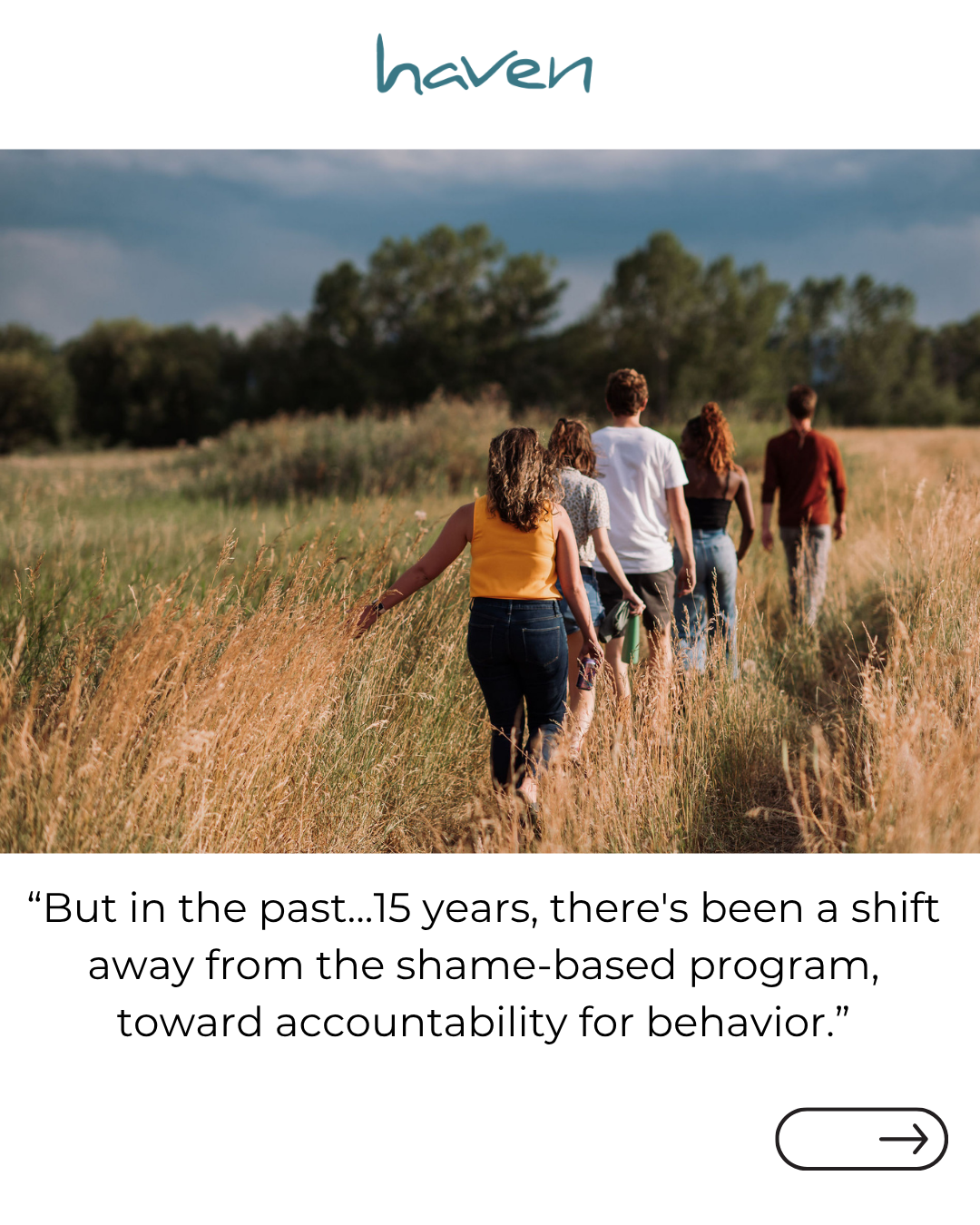
OIP provider Geoff Scholl on the limits of using shame on domestic-violence offenders.
Why this matters for our community
Domestic violence affects more than one household: It can affect children, families, workplaces, schools, health care, law enforcement, courts, and the wider community.
Support for survivors is essential. So is intervention with and accountability for the people who cause harm.
The Offender Intervention Program is one part of a larger response, and focuses on the person who caused harm and the behavior that needs to change.
Safer communities need both support for survivors and accountability for people who cause harm.
Get support
If you or someone you know is experiencing domestic violence, Haven can help.
Call our 24-7 support line at 406-586-4111, or use the chat or text function at the bottom of every page on this website, including this one (every day, between 8 am and 8 pm).
If you are in immediate danger, call 911.